HeFeng
HeFeng
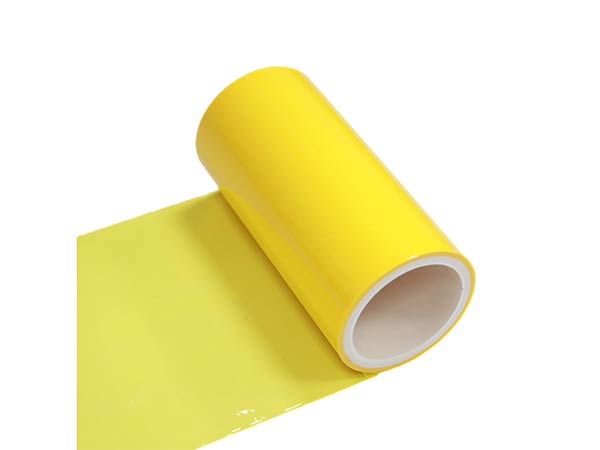
First, the base material itself. Polyethylene (PE) is one of the commonly used plastics in the food contact field. It has high chemical stability and is inert. Food-grade PE complies with standards such as China's GB 4806.7-2016 and the US FDA 21 CFR. Under normal usage conditions, it will not undergo chemical reactions with food. PE itself does not contain plasticizers, and its molecular structure is stable, with good resistance to acids, alkalis, and oils.
Second, the release coating. This is crucial. A compliant organic silicone coating must pass the food contact safety assessment, such as China's GB 4806.10-2016 or relevant standards from the European Union. Regular manufacturers will conduct third-party migration tests to ensure that the heavy metals, volatile organic compounds, silicon oxides, etc. in the coating do not exceed the regulatory limits.
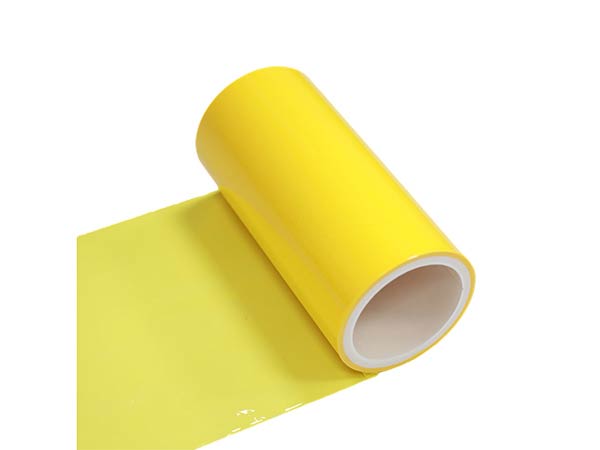
Here are three practical suggestions for you: Choose products with the "Food Contact Use" label or those certified by FDA or CE; Clearly define your usage temperature - the silicone coating is safe under baking conditions (usually ≤ 180℃), but avoid extremely high temperatures (such as over 200℃ for deep-frying); If it's for oily foods or long-term storage, choose a coating with better oil resistance. Do not use industrial-grade release films instead of food-grade ones.
 Service hotline13686686028 / 15868761130
 Company Email15868761130@139com
 Company address66 Cosmos Road, Shipai Town, Dongguan City,
 Wechat consultation
 Cell phone station